Panel: Solutions
MEETING OUR RESPONSIBILITIES: SUBSTANCE ABUSE AND LAW SCHOOLS
June 24, 2003
PANEL: SOLUTIONS
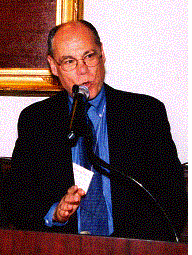
James Moore, Moderator: I am now ready to turn the program over to Ken Rosenblum, who is going to introduce the next panelists, and we are right on time and we are going to end on time.
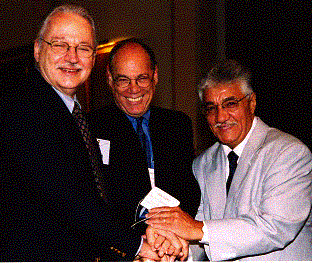
Ken Rosenblum: Well, you've heard some of the bad news, although I prefer to think of the bad news as challenges, we hope this panel will give you some of the good news, a taste of some programs that we think work. The panelists are Ray Lopez, who's the Director of the New York State Bar Association Lawyer Assistance Program, and Mark Byers, the director of student life counseling at Harvard Law School, and I am Ken Rosenblum, mild mannered Associate Dean at a great suburban law school, Touro in Huntington, Long Island, New York.
Our objective for this session is first we hope that you will come away with something off the shelf, something practical that you can start implementing in your law school. Second, we would like this to be interactive, we don't have a corner on the market of wisdom, I certainly don't, so we are going to try to talk for about ten minutes each, and then we have as much as possible of the session for you to tell us some things that have worked for you in your law school.
Let me just get a sense, how many people are law school people here? Administrators? And faculty members? Okay, just to get a feel. The rest of the plan is, we are going to do a little micro and a little macro. Since I am up here, I am going to start off and talk to you a little bit as advertised about a program that we started at Touro probably about 7 or 8 years ago, which is a relatively easy to do off the shelf program. I didn't tell you about the speakers, our bios. In the interest of time, our bios are in the materials, but if you look in mine, I spent a portion of my career committing journalism, and not only journalism, the worst kind of journalism, television journalism, so I try to be visual. The problem is while I am not low tech, I am not exactly high tech either, I am kind of medium tech, so I am not all the way up to Power Point. With the assistance of Ed Grasmann, who is Touro Law School's on campus LAP rep, we are going to try to do some of this with overheads.
Now, some of these statistics: you've seen before, so I will repeat them quickly. I also said you have heard the bad news, I may as well repeat some of the items of bad news before I get to my good news. Number one, the problem is a bad problem. According to a 1993 AALS report, 11 percent of law students now 10 years ago reported abusing alcohol since starting law school. Over 20 percent admitted to abusing marijuana in the past year, over 8 percent in the last month, nearly 22 percent said they had used some illicit drug in the past year, nearly 9 percent in the past month, and almost 4 percent admitted that they were already in the habit essentially of daily use of alcohol. If you say 4 percent quickly it doesn't sound like much, but do the arithmetic, if you have a school of 700 people, that's 28 people in your law school who are probably using alcohol on a daily basis.
The next piece of bad news, it could get worse. This is an article from February edition of the Chronicle of Higher Education. It is in the materials, Rule 1 of teaching, I guess, is if you want to make absolutely sure that people don't pay attention to you, give them a handout, so I violated Rule 1 of teaching. But to talk you through this quickly, this is an article that reports on recent studies that confirm a sharp rise in the number of college students taking psychiatric medication and using campus mental health services. For example, a study in Kansas State University for the 12-year period 89 to 2001 found that the number of students with depression had doubled, the proportion of students taking psychiatric medication rose from 10 percent of the student body to a quarter of the student body, and the number of suicidal students tripled.
Another study, next slide, counseling directors at 283 colleges, the respondents reported huge increases in the number of students with severe psychological problems and these are, of course, our near future law students.
Item 3 of the bad news, that slide. Inside and even more outside the law school there is a growing culture of insensitivity. This is an e-mail that arrived in my inbox recently among the offers for a low rate mortgages, how to make a fortune on E-Bay and offers to enlarge various body parts, some of which I didn't even have. This is an e-mail that says, if you can't read it on my graphic there, “Come join JD Jungle (which is a magazine directed at law students) and Dewar's finest Scotch whiskey for a summer associate party. Mingle with your peers, meet with representatives from Dewar's and Jungle and indulge in some of Dewar's cocktails. Be sure to invite your friends, as this is sure to be a great event,” and then it goes onto list events nationwide.
The last bit of bad news, this is a very tough problem to deal with in law school. Most of us now have counselors, programs and policies, but the reality is that denial and concerns about confidentiality and Bar reporting keep many people from seeking help for themselves and identifying others who need help, at least from officials, from the establishment.
So what we did at Touro is not a cosmic solution, it is as Judge Bellacosa said, part of the puzzle; it's part of the package of things that you can do in law school. There are other cosmic things that we need to address and need to do, strengthening confidentiality, changing Bar admission disciplinary rules, developing law school specific information and prevention programs, introducing drug and alcohol issues into the grid, but this is again something that we do that has worked for us, and that I think is easily replicatable, and the problem we addressed is while we put pamphlets in the orientation materials, students don't read them. Orientation is just a blur and students are, as someone observed, in information overload.
 You can't get students to attend programs. I
have actually had a student say to me “I don't have time for stress relief.” And
then some of the old wisdom of 5 or 10 years ago, we used to say if you feed
them, they will come. But no amount of free pizza will get people to come
to a program where they perceive they’re self-identifying as someone suffering
from stress. Other students say to them what were you doing in an anti-stress
program, do you have a problem or something? So, what we have tried to do
is to recruit, identify and publicize an on campus law student LAP rep. Again,
this is in the materials, and that's the want ad; and it goes up on the bulletin
boards, but I will also show you the student newspaper and official newsletter
that it goes into. Although, because we have now been doing this for 7 or
8 years a formal structured problem, we don't have to do as much recruiting
as we thought, because once we have a student LAP representative in place,
the program becomes self executing. When that student graduates, he or she
has identified another person and passes that person on to be as the successor. When
we do run ads typically, but not always, the people who respond to the ads
are students in recovery, or people with, and/or people with alcohol or substance
abuse counseling background.
You can't get students to attend programs. I
have actually had a student say to me “I don't have time for stress relief.” And
then some of the old wisdom of 5 or 10 years ago, we used to say if you feed
them, they will come. But no amount of free pizza will get people to come
to a program where they perceive they’re self-identifying as someone suffering
from stress. Other students say to them what were you doing in an anti-stress
program, do you have a problem or something? So, what we have tried to do
is to recruit, identify and publicize an on campus law student LAP rep. Again,
this is in the materials, and that's the want ad; and it goes up on the bulletin
boards, but I will also show you the student newspaper and official newsletter
that it goes into. Although, because we have now been doing this for 7 or
8 years a formal structured problem, we don't have to do as much recruiting
as we thought, because once we have a student LAP representative in place,
the program becomes self executing. When that student graduates, he or she
has identified another person and passes that person on to be as the successor. When
we do run ads typically, but not always, the people who respond to the ads
are students in recovery, or people with, and/or people with alcohol or substance
abuse counseling background.
Once we identified and select a representative, the representative gets training from our state LAP, Ray Lopez, thank you many times, and Ray, I hope, will talk a little bit about the kind of training that our individual student LAP reps get, and the kind of training they will -- I hope they will get in the future, if I can convince more of you to do this. Once we have identified a rep we then advertise the availability. And this again goes up on bulletin boards, and I will show you in a minute the publication that this advertising appears in, and that is our current one and Ed Grasmann, soon to be a 2 FT, with his home phone number and his e-mail.
This is our newsletter -- I produce this weekly official newsletter with calendars and information about things going on at the law school and if you go to the next page, it's just a front and back of an 8 and a half by 11, and people in school get in the habit of this is their Law Journal for the law school, and they are chargeable with knowledge of the information that appears in there, and you will see, I think upper right hand corner, drop that down a little, “Lawyer Assistance Program representative sought.” The next slide after that you see down in the lower right hand corner, once we have identified the Lawyers Assistance Program rep, there is the information, and it appears directly over another thing that is in the Touro Times every week, and that is our counselor in residence and the information to contact the counselor. But we have handled the LAP rep as a separate category so people have options if they wish to contact the counselor, or also to contact the LAP rep. We have discovered, and I hope this is the last slide, benefits we anticipated and some benefits we didn't anticipate, of course that's probably so small you can't read it; I told you I was only medium tech.
One of the things is, the existence of the student rep encourages students to identify, because they are not identifying to anyone official, who they perceive may have reporting obligations. They also feel more comfortable talking to a colleague often than talking to me. The rep can often talk to students in ways I can't. I find that they are much more effective in getting past denial, don't give me that BS, you can tell that to the Dean, but you are not getting away with that. Where with me, they are very often people who have been trained in 12 step programs, or other counseling programs, and they can address students as a colleague, in a way that I would probably get a letter to the Dean if I said something. An unanticipated benefit, I thought it was just me; in the past we have had faculty members who have consulted the rep, both for information for themselves and with concerns about students. Sometimes faculty members are reluctant to come to me as the counseling person, and the student affairs person, because faculty members are concerned about confidentiality. Now that the existence of our student LAP rep is known, faculty members go directly to the student LAP rep. Another unanticipated benefit, the LAP rep creates student pressure for LAP information, particularly in professional responsibility legal profession classes.
When I go to a faculty member and ask him or her to include this in professional responsibility, “I don't have time”, “I will do it if you add a credit to the course”; it's easy to say no to a Dean. It's harder to say no to a student, a persistent student, Rich Reid, I hope he's still here, was absolutely wonderful at this, he was indefatigable, he would haunt professional responsibility teachers until they included the material in the curriculum. They could say no to me, but they didn't to Richie. Another benefit, it gives me an easy way to get an at risk student into the system. Most typically this happens, a student will come into me and disclose with a second or third DWI arrest, and I can say look, I am not making any judgment here about this, but you might want to talk to Ed Grasmann about this, and I get the student in the system without putting myself in a position to be judgmental.
A final unanticipated benefit, several of our students who were LAP reps have gone on to become leaders in regional and state LAP programs. So, all law school reps now, you raised your hands, excuse me for a New York-ism, I know where you live now, I'll be contacting you about starting an LAP rep program on your campus. Thanks very much. And, Ed, thank you very much. If any of you would like to know and talk to a student rep about Ed's experiences in the first year, Ed, you will be here for the rest of the program, right? Ray Lopez is our next speaker.
Ray Lopez: I might as well tell you, I feel like a kid in a candy factory. From where we come from, who we were, 13 years ago, to where we are today with so many people attending, such an important conference, I just couldn't, I was pinching myself to see if I was actually dreaming this, but I come to wake up and realize that it's reality. That we are here and that we all have a similar concern, I think that everybody has talked about the association of law school recommendations, and some of the most potent things related to that, and it's just that we haven't seen that in New York State yet. We have not seen efforts made other than by Touro Law School that address the issue of substance abuse, either alcohol or drug abuse, at the law school level.
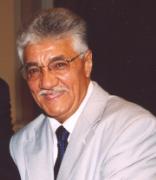
I think it's imperative that that be done for a lot of reasons. Some of these reasons have already been mentioned. Some of them have to do with students themselves, certainly. It has to do with the reputation of the legal profession, and I think Judge Bellacosa spoke about something, which is really potent, and that is the effects on the clients that this profession serves. You don't hear too much of that, but I think it's imperative we do that, because since I have been here, I have participated in countless number of interventions, motivational interviews, not to call them interventions, and I have seen folks from all walks of life coming into this profession and developing a problem with alcohol or drug abuse. I also have seen folks that have been before disciplinary committees that have lied to the clients, stolen money from the clients, a litany of things.
We had a guy when I first started that he was creating and fabricating his own certificates, and he would sign the judge's signature on some of these certificates, and he was doing this for quite sometime until one day they caught up with him, and the first thing that he did was he cut his throat from ear to ear. His wife who is a nurse came home a bit earlier from work and discovered this man bleeding profusely around the throat area and neck. He actually severed one of the arteries. He didn't die, thank God. However, he developed a heart condition as a result of the injury, was suspended for five years, and went on to become a baker. He was working as the baker for about five years of the suspension and although he was eligible to come back five years ago, he still hadn't applied for the license. He's afraid to come back to the profession with the stressors and all these other things that we see on a day-to-day basis. He's now working as a baker, he's not working as an attorney, and he seems to be pretty happy. I see him involved in certain groups and things in the community that tell me that this guy is, in fact, rehabilitated, and could do the right thing without having to be in the profession.
One of the things that keeps coming up is the issue of representatives at the law school, and how can these representatives be helpful. I think that Ken Rosenblum said it very eloquently, and that is that these student reps are trusted because they are part of the core group of students. If an outsider comes into the law school and tries to do what the law school rep can do, tries to do, it's not always that successful, unless there is criminal activity and they are trying to get off the hook, and then certainly anybody will do. But I think it can enhance the efforts at the law school before these students come out and don't have help and wind up in front of the disciplinary committees and other activities.
I do not think that alcoholism and drug addiction is created at the law school. I think it's enhanced at the law school, and if it isn't addressed at the law school, it comes right into the profession, and then the consequences of that behavior and all these issues that are involved in drinking and uncontrolled drinking, begin to impact everybody in the profession. So it's not, you know, it's not our problem, somebody else will handle it down the line; we all handle it down the line. Some of us handle it immediately rather than down the line.
If a law student has alcoholism or drug addiction or depression, you can bet your last dollar that the litany of things that come with that are denial, rationalization, poor performance, dropping out of the law school, and, oftentimes coupled with depression, you have suicide ideation and suicide in fact. So, it's a pretty significant problem because it also affects the other students. It affects the faculty and if the faculty has a problem, oh, my goodness, gracious.
Someone asked how do we change the culture? Well, that's the 64 billion dollar question; how do you change the culture? I think we can begin by changing some of the attitude at the law school. I had a young woman at the Amtrak station as I was coming down to an event down here, she ran up to me, she was a third year law student, she said, “Mr. Lopez, I heard you speak at Albany Law School, is there anything that you could do about all these drinking parties that we are required to attend?” And I said well, I think that you need to talk to the Dean, or you need to talk, and we have many people in that school who are analyzed by us, but they are they are still going on, and I'm sure they are still going on at all other law schools throughout the state; it's a serious problem.
I also believe that when you have a representative, that representative although I didn't see it in that little blurb about Touro, is covered under Section 499 (of the Judiciary Law). Section 499 is the most significant legislation to come this way in years having to do specifically with alcohol and drug abuse. So if a person comes to us or an agent of our group, that individual is covered under Section 499. Part one is confidentiality. It's the strongest legislation that we could have in regard to confidentiality. The only exception is future crimes. The other side of that particular legislation is immunity from being sued. If we go to intervene on someone and they turn around and say that we have defamed them, as long as our conduct is in good faith, we are protected by these particular laws.
I will talk about training of LAP representatives. I think that among the main things that we have to train them. First of all, bring them in as agents of the existing committees wherever they may be, whether it's in New York City or in Buffalo or Rochester or somewhere else from the state, is to cover them as agents of the committees under Section 499, so any disclosure of information is solid and protected by this particular law. You don't have to worry about disclosure.
Information about substance abuse. Just because a person is in recovery doesn't mean that they are experts in the area of substance abuse. There are a lot of little things that go on that an individual -- I will give you an example, I am in recovery 26 and a half years. When I first came in, in training and everything else I was kind of out to lunch, but I wanted to cure the world. I wanted to go, I was like on this great pink cloud. I am glad the pink cloud burst and reality hit, because there were too many things that I didn't know. We can work with them in developing resources. No Lawyer Assistance Program directly is worth 2 cents if they don't have the resources that are necessary to respond to the problems that are presented every day and every evening. We don't work 9:00 to 5:00, our job is whenever somebody calls, we respond. To me in some respects that's quality time.
Intervention training. Intervention is a very specific process that tries to address the denial and the resistance of an individual. If you are not resistant, if you don't have denial, you are not qualified to have an intervention done on you. The intervention is for the individual that is adamant that they don't have a problem but everybody smells it as they walk by. I think the other thing is to bring on board these individuals who are representatives to the existing committees. Have them join as members of the Bar Association, of the committees so they are involved in a helping group because this could be a very isolating process if you are not careful.
And I think that as you could see here, we have quite a number of folks who represent the committees, and therefore if I have a question or if I have a need anywhere in the state, I know who to call; that's essential. Sometimes you have to strike while the iron is hot. If you wait, it just slips right by you and the next day if you call up oh, I just wanted to say hello to you and tell you how great you are doing, that's not really what we are about.
I just want to end with something, I heard somebody say earlier today, that they thought that at the law school with the problem of faculty and the problem of students that they figured that if they didn't do anything about the problem, the problem would go away. Ladies and gentlemen, I agree with that 150 percent. The problem will go away. If it's a student and they are barred, and they are in the profession and have been admitted they will either wind up in front of disciplinary committees, sick, affecting the profession, disbarred and dead.
This is not the kind of problem that if you ignore it, it's going to go away. I am so grateful and so happy to see this turnout today that we have here. It gives us in the front lines more hope to continue the battle. Thank you very much.
Ken Rosenblum: And the penultimate speaker, the last speaker is going to be all of you, so the penultimate speaker is Mark Byers, director of student life counseling from Harvard Law School.
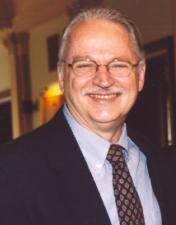 Mark Byers: I know a yoga instructor
who said I know what you can tell them; tell them the story about the baby
is floating down the river. Well, that's a parable that's floated down the
river. Here I am, the last speaker of the day, and I guess I won't tell
you that story after all. In any case, I am not really quite clear where
the law schools are on the river. There are times when I feel as if we are
kind of a port of call on a cocktail cruise, where somewhere in between,
really, from where the students have come and where they are going and of
course that's the status of legal education generally, we are in a position
to help people make that transition, and we are really reporting backwards
and forwards all the time to the profession from the students, from the profession
to the students and trying to assist in that transition.
Mark Byers: I know a yoga instructor
who said I know what you can tell them; tell them the story about the baby
is floating down the river. Well, that's a parable that's floated down the
river. Here I am, the last speaker of the day, and I guess I won't tell
you that story after all. In any case, I am not really quite clear where
the law schools are on the river. There are times when I feel as if we are
kind of a port of call on a cocktail cruise, where somewhere in between,
really, from where the students have come and where they are going and of
course that's the status of legal education generally, we are in a position
to help people make that transition, and we are really reporting backwards
and forwards all the time to the profession from the students, from the profession
to the students and trying to assist in that transition.
You have heard a number of suggestions as to how particularly we can address the substance abuse question, I want to tell you a little bit about an experiment we have just begun in this past year where we have tried to think a little bit about the different target populations that we are working with. As I see it, we really have sort of three groups of students to deal with, there is that 3 percent that was mentioned in the study, the students who actually identify themselves as having the substance abuse problem. Doesn't mean that they come to us, I know that for a fact, because I have looked at some of the statistics and we probably have about 4 to 10 students a year who appear in our health services or counseling services and who will say that they have a substance abuse problem, and if I do the statistics right, we have 45 walking around the law school, and we are obviously only seeing a fraction of that fraction. Nonetheless, there is that group who know that they have a problem. Then there is the much larger group that we talked about a lot today for whom there is alcohol or other addictive substances that is completely part of a lifestyle that, in part, I think is what I call the sort of Homeric warrior vision or version of lawyer identity, the work hard, play hard group.
Someone here earlier today talked about the performance aspect of being a hard drinker, that there is a kind of bravado and achievement in being able to work hard and play hard, and I see a lot of our students taking some pride in that. It means that for them a lot of the self confidence, a lot of the conviction that they can prevail over all circumstances and over all challenges, a lot of that self confidence is embedded both in their achievements and their dissolutions if you will, they are good at everything, including their self destructive behavior. So, it's a little hard to wean them away from that view of themselves. So that's another group for whom the technique that the intervention I am about to describe probably is not appropriate.
But then there is yet another group, which has always concerned me, that's students who are prone to develop problems while at law school that they haven't had prior to law school. Often that's a group of people who are very successful at deferring gratification. They have had rather Spartan, even ascetic undergraduate educations. You talk about rewarding yourself for doing something difficult; all of law school to them is the reward for any number of sacrifices that they may have made to get there. And they encounter the whole array of stressors that we have been discussing today, and they also encounter the Homeric warriors I was just telling you about who are inviting them out at the end of let's say a very stressful day of interviewing.
I should say, by the way, that our interview season is probably one of the flash points for many of our students, many report drinking more heavily during interviewing, and that's just something that I think we should take note of. But in any case, this group of students for the first time is beginning to resort to alcohol or drugs as a way of dealing with stress that they have never really attempted before. The whole rhythm and structure of law school life really reinforces what I call the quick fix solution. The scheduling of classes is just in itself such a hectic and cramped affair, one of the problems that we had with the yoga class I am about to describe is that we couldn't find any time to schedule them.
No time to deal with stress. I spent hours pouring over, with the registrar, I tried to figure out when we were going to do this. Our school store is stocked with junk food. Anything you could get off the shelf on the fly. Power Bars, hey, you could do it in three minutes between classes. Alcohol has got the same remarkable effect, everything is better now, you know, one gulp and life looks better. So, there is something about the whole pace of the life, plus the fact it's on a 24 hour basis, this is something that doesn't happen so much in the work world, but although people are harried, they also have the entire 24 hour period to arrange their lives, so you could drink and work anytime over a hour period; and your life could get very complex that way.
So there is a group of people who are trying to deal with stress for the first time and find ways to cope with it. So, we have decided we would look at -- we had to appeal to their anxieties about this without preaching to them, and we would therefore appeal to their desire to be healthy, if not wealthy and wise. They all wanted to be optimum. You don't do stress workshops; you do optimum performance workshops, because that's a desirable goal. People are concerned also about work/family balance issues, finding time for their personal lives, or whatever. So, if we can present a kind of positive model of wellness, and frame that against the challenges in the legal profession and warn people that they need to begin to cope now, we may have some chance to at least attract one group of people. But we can't get too new-agey about this.
Obviously culture is not too receptive to it, so what to do? Well, we were lucky and in our case there is a local yoga instructor who happens to be a former litigation partner at Hale & Dorr. Subsequently to that she was their partner for professional development for many years and she won over Hale & Dorr's managing partner, John Hamilton, to the cause. Now, John Hamilton is not really on the face of it a very touchy feely kind of guy, and so what she did, over a period of time, was to introduce to Hale & Dorr a series of yoga classes and with it, classes and workshops on nutrition, and on healthy living. Eventually Brenda left, one of the reasons is that she developed colon cancer and she devoted a good deal of time to getting well, and at the end of that time she had a career conversion, became full time yoga instructor, but continued to work with law firms in the area.
So we thought okay, we will retain Brenda to do yoga classes, and we will do some nutrition classes and see how it goes, and it was phenomenal, because she really spoke their language. This was someone who is highly credible, she's very practical person, she presents yoga and nutrition in a very down-to-earth kind of way, although she's really quite a spiritual person in her way as well, she's practical about being a spiritual person. She's compelling. The students really listen to her. Her story made sense to them, she understands the law firm culture perfectly, she's able to warn them what lies ahead very effectively, and she spends a lot of time getting people not only to learn some basic yoga meditation practices, but talking about how those can be deployed and used in the work place and she brings in a few law firm partners to talk about that to make it more real.
What she really emphasizes beyond nutrition is what you might call self nourishment, just taking care of yourself in all the many ways that may become necessary in your very busy work life and what we hope you can do with at least the segment of students who have been drawn to this whole approach is to get them to think in terms of managing your moods through means other than the quick fix. That will also be more enduring. Her evaluations so far have been terrific, and I understand we do preach to the choir to some extent, this is one segment of the population that expects to be benefited from these programs, or hopes to be. But their wishes have really been fulfilled. One person writes, “this was such an amazing experience, I don't think it would be exaggerating to say it changed my life. Most importantly, it introduced me to meditation and yoga, which I hope to use every day to handle stress and bring balance back to my life. But through this workshop I also made several new friends with whom I now go to other yoga classes.”
So you see instead of going out to the Hong Kong for cocktails at the end of the day, she's off with her crowd to do yoga, it does provide another social group, “and I have had the opportunity,” she says, “to meet many other interesting people, not the least of whom is Brenda, our instructor. Definitely Harvard is a really stressful place, professors have acknowledged that, in trying to calm us through reassuring speeches, but this program actually physically relieves stress.”
And that really was the uniform assessment of almost everyone who took the course. Some of the students have suggested, and I find that student initiatives are always more effective than almost anything that we can bring to bear, what some of them have suggested is that we have a health and wellness club organization. They even want to have cooking classes, which I think we might be able to organize through food services, on healthy cooking, because one of the issues they talk about is how to eat healthfully on a limited budget. Some of the nutrition problems have to do with their inability to really afford anything healthy, and lack of facilities to cook for themselves. So, a health and wellness organization, where students could support other students in such things as shopping cooperatives to buy good, inexpensive food, whatever, but then we would try to develop more student programming in this area, and that's what we hope to do next year. So, it's one narrow approach to one segment of the population, but I think it has a lot of hope attached to it. Thank you.
Ken Rosenblum: We try to call ourselves “relax your way to an A”. What did you call your program again?
Mark Byers: Optimum performance.
Ken Rosenblum: I think I like that better. We have two options in the 10 or 12 minutes or so left to us. One is we would like to hear from you, if you've done a program or an effort or publication at your school that you think is worthy of emulation and you would like us to know about it, please tell us about it, the other thing of course if you have any questions for the panel.
Audience Member: My experience with speaking to a law school class, never, ever schedule one of these talks on the last class on a Friday; very practical suggestion. Because earlier in the day I had a lot better response to the talk. That's number one. Number two: alumni. I would hazard to say that there are alumni in recovery of every law school that's here, and there should be a way for you to be able to connect with that. The perception of the student may not be that it's an outsider, it's someone who has walked through those halls, who has studied in that library, and as I said earlier, when you were asking for a show of hands, I survived law school, and I think that's a resource, which is untapped.
Ken Rosenblum: In fact, it's something that argues for the on campus student program, because those students becomes alums and do come back. In fact, we have been fortunate enough to have one or more of our alums who are student reps come back now as LAP reps to talk to classes, so that's a good idea. Sir.
Audience Member: One thing that we do at Cornell on this is sort of the yoga classes is every semester as we move into exams, we have free massage sessions with about 6 or 7 of the professional massagists come up and set up their chairs in the student lounge, it's a 10 minute massage and it's open to faculty and staff, and a good mix, we have juice and fruit and other wellness promotion.
Ken Rosenblum: We have done that, too; I have attempted to actually send the personnel into exams and just have them massage right on the spot.
Audience Member: I don't have a program, but I want to make a comment about the spin that was given on the report regarding the number of undergraduate students who are seeking treatment as undergraduates. I actually see that very differently I think than you do, I see them as a positive. I think that to the extent that we begin as a society to not stigmatize the students as undergraduates when they go to seek treatment for depression, or whatever, that, in fact, it may be, that may be the beginning of a very different trend that to the extent people use alcohol and other substances to self-medicate for the kinds of things perhaps they are feeling more comfortable getting professional treatment for, I would say I was disturbed that was listed as the next piece of bad news; I prefer to see that as a piece of positive news.
Ken Rosenblum: It’s a fair comment, because the journal was balanced, and it does make that point; you can read it either way, there is an encouraging read on it, is that more people are getting treated, and as a result of getting treated, they will be better adjusted in law school. So, in fact, I did present it in a one-sided way to make my point, the article is balanced and makes both points.
Audience Member: I would just further that as well, whether or not that's a group of people who will seek treatment.
Ken Rosenblum: And have sought treatment.
Audience Member: Have already done it, they are not -- they may be a group of people who would be more willing to extend their own hands for help, both to others, and if they need more themselves. That would be my comment, thank you.
Ken Rosenblum: Yes.
Mark Byers: I wanted to make a pitch for getting your school to devote university or resources to a full time dedicated psychologist on your staff, because that to me has worked when we have tai chi, we have yoga, we have massages, I don't get a lot of student attendance because oh, they are at the wrong time of the day for whatever the schedule is. We have a full time dedicated psychologist only for the law school who can really talk the talk, because he knows what, he's been there for eight years, and he knows the professors intimately, knows the dilemmas of law school and spouses or significant others face and will see both of those groups. I think it takes a lot of resources to obviously dedicate someone that way, but that's been an insurmountable help, I notice in the students who think that's confidential and they think coming to someone like me isn't for some reason.
Ken Rosenblum: What's very important to somebody who develops a track record and understands the unique pressures of law school, which are very different from the university pressures, so you are very fortunate in having somebody with eight years of mileage for whom some of these unique pressures are not this just handed me.
Mark Byers: That's a role I filled for 25 years in our school, and one of the advantages of having a dedicated person is that you are in a position to assist people a wide range of levels. I can help somebody with a semicolon on her resume today, and talk to them about her depression tomorrow, because you are in a position to be helpful in many, many ways and establish relationships that later really pay off in a crisis; I think that's quite true.
Ken Rosenblum: Yes, sir.
Audience Member: Potential success story. Law student in Jackson, lives in Louisiana, picks up a DWI and somehow or other gets in her hands, she signs it and it gets into the hands of a guy who sets up an evaluation and before he gets home from school for the summer session, he's now an intensive outpatient treatment, will go back, we will have both the Louisiana and Mississippi folks advocating for him when the time comes to look for admission, and right now is scared to death that he's gonna need that problem and has a real incentive to do well in what he's doing. All of this stuff works together somehow or other.
Ken Rosenblum: Anybody else? Questions, comments, feedback? Success stories? Sir.
Audience Member: Just one comment --the problem I have with the law school is it's one thing you just discussed which is there is no time, there is no time for a presentation, there is no time for those things. You can't think of anything more important that you need to make time for so that we can do this. Our basic philosophy is you don't have to take the elevator to the third subbasement to know it's going down, and if we can get that word out to law students verbally, we are just saving that.
Ken Rosenblum: I think one of the challenges for us in the future is building this in more in the curriculum and institutionalizing this in the curriculum so that we don't have to go begging to professional responsibility teachers and not only in orientation, but this is something to which students are exposed throughout their three or four years at the school.
Audience Member: What I do is now is I have the Lawyer Assistance Program folks come when I do the Bar presentation, so along with them and I do it about a week after orientation so it's after they have been bombarded with everything, but when they are still early enough that when I as a student say you must come and they do, because they are still a little bit scared.
Ken Rosenblum: Because after about a month or so “must” doesn't mean what it used to mean at the beginning.
Audience Member: And they were willing to say in Mississippi you must come, and they made time for it which when they didn't have time for it after there was a suicide, we don't recommend that be the driving force behind making that decision.
Ken Rosenblum: Exactly right. Well, thank you all very much. Thank you, Mark Byers and Ray Lopez.
Biographical Information
Mark Byers
Director, Harvard Law School Office of Student Life Counseling
Dr. Byers is a counseling and vocational psychologist specializing in professional and personal development issues in the legal profession. After seven years at Harvard Business School, he moved to Harvard Law School, where he has counseled students and lawyers for the last 25 years. He is the principal author of Lawyers in Transition (The Barkley Co., 1988), a career planning guide for lawyers, author of the chapter on "The Transition from Law School to Practice" in Your New Lawyer: The Legal Employers' Complete Guide to Recruitment, Development and Management, (A.B.A. 1992) and author of "Career Choice and Satisfaction in the Legal Profession" in the Career Planning and Adult Development Journal (spring, 1996). His current research interests include the problem of stress in the work environment and the relationship of character type to career satisfaction. He is also interested in the impact of philosophical concerns on career choice.
Ray M. López
Director, New York State Bar Association’s Lawyer Assistance Program (LAP)
B.S., M.S.W., Adelphi University
Ray López has more than twenty years of experience in substance abuse education and intervention services and has been a presenter on the subject of substance abuse and stress management at law schools, medical schools, judicial seminars, the American Bar Association Commission on Lawyer Assistance Programs, and several other local and national organizations. He has published articles in various trade magazines and journals on the subjects of substance abuse and intervention.
López has served as a Rehabilitation Counselor and Director of Aftercare and Outpatient Programs. He received formal training in substance abuse intervention at the Johnson Institute and at the National Association of Certified Interventionists. López was a member of the Commission on Alcohol and Substance Abuse in the Legal Profession, and a member of the training faculty for the Office of Court Administration Annual Judge Orientation Program. He currently serves as a member of the New York State Lawyer Assistance Trust.
Kenneth A. Rosenblum
Associate Dean for Student Affairs, Touro Law Center
B.A., Brooklyn College; LL.B., Brooklyn Law School; LL.M., New York University
As Associate Dean for Student Affairs, Ken Rosenblum’s responsibilities include student academic and personal counseling, supervising major special events, and overseeing first year orientation, academic assistance and international internship programs.
He is a past chair of the Association of American Law Schools (AALS) Section on Student Services, and was one of the organizers and is the former Secretary of the AALS Academic Support Section. Previously, Rosenblum served as a television news producer and anchor on Long Island, and he received a Fulbright Fellowship to teach broadcast journalism in Portugal. He also served as Commissioner of the Suffolk County Department of Consumer Affairs, Assistant County Attorney, and Assistant District Attorney. Rosenblum was a Captain in the United States Army Judge Advocate General's Corps, and served in Vietnam; his military decorations include the Bronze Star and the Meritorious Service Medal. He is a former Vice President of the Long Island Coalition for Fair Broadcasting, and a member of the judging panel of the National Academy of Television Arts and Sciences News and Documentary Emmy Awards. He currently serves as a Trustee of the New York State Lawyer Assistance Trust.